 How can I get a quote for waste collection services?


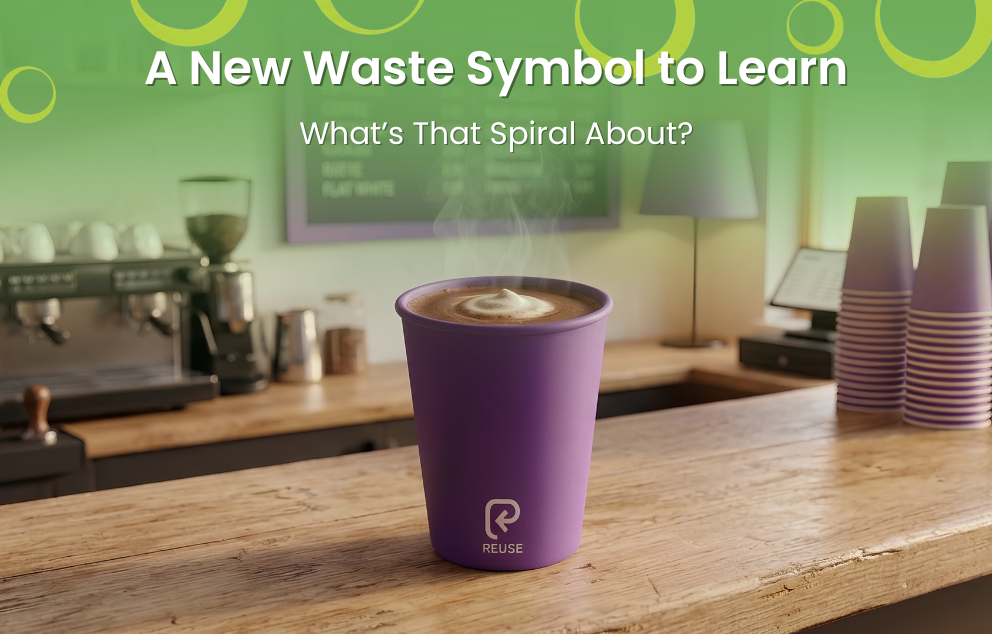
A New Waste Symbol to Learn: What's That Purple Spiral About?
12/06/2026
Why Are Reusable Items Still Ending Up in the Bin?
Despite their value, reusable items frequently end up in general waste due to a combination of habits, confusion, and a lack of necessary infrastructure.
If a reusable container mimics standard disposable packaging, the natural reaction is to discard it without realising it is part of a deposit or return scheme.
Solution
If you work in the waste industry or keep a close eye on environmental news, you might have been seeing posts about a new universal symbol on the scene. Unveiled in June 2026 by the PR3 Global Standards Panel (an international alliance dedicated to advancing reuse) this new, bright purple "spiral" symbol is designed as further support for the circular economy.
It is important to note: This symbol is not a legal requirement… yet. However, as the UK waste landscape evolves under "Simpler Recycling" reforms, it will becoming a useful tool for businesses to understand.
What is the Purpose of the New Reuse Symbol?
The symbol is primarily for coordination, informing consumers that a piece of packaging is part of a "closed loop" system.
Unlike traditional recycling, this mark signals that the item isn't meant to be broken down or discarded. Instead, it is part of a network that includes:
- Collection: Designated drop-off points.
- Logistics: Transport to specialised facilities.
- Industrial Washing: Cleaning to food safety standards.
- Redistribution: Returning the item to circulation for 10–100+ uses.
What Types of Items Will Feature the Symbol?
You will see this mark on items integrated into managed reuse networks, including:
- Food and Beverage Service: Reusable coffee cups and takeaway containers in stadiums, offices, and campus environments.
- Logistics and Retail: Crate based shipping systems, returnable glass bottles, and refillable bulk containers.
- Public Infrastructure: You will see this symbol on collection bins and signage, indicating exactly where these items must be returned.
How Does This Affect Your Business?
For most businesses, this has little to no impact on your day-to-day operations.
However, as reusable packaging schemes become more prevalent, particularly in businesses like fast-food and coffee shop, you will likely see more of these items appearing in your workplace and your waste.
Here is how to handle the trend as it continues:
- Educate Your Employees: A simple internal message to staff, reminding them that these items belong in dedicated return hubs, not your workplace bins, is the most effective way to avoid contamination.
- Recognise the Benefit for Others: For coffee shops and quick service restaurants who will make use of this symbol, it represents a proven tool to reduce single-use waste and lower long-term disposal costs.
- The "Why" Behind the Awareness: Preventing these items reaching your waste streams ensures you aren't paying to dispose of packaging that shouldn't be there in the first place.
The Bottom Line
You don’t need to change your waste strategy, but a little awareness goes a long way. As these reuse hubs become more common, staying informed helps you avoid contamination and keep your costs down.